Top Preschool Near Me: Choosing the Best Early Education for Your Child
Updated: 6 Dec 2025
270
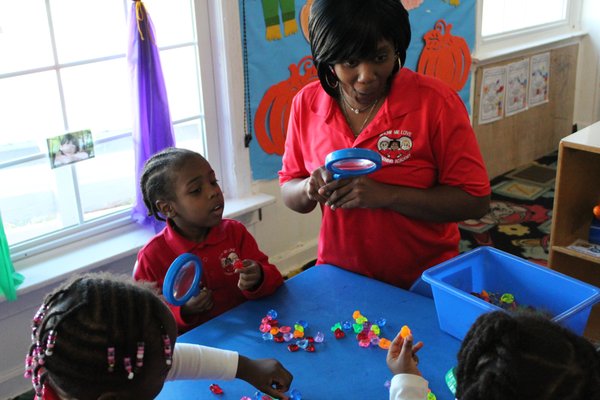
Finding the top preschool near me involves considering factors like curriculum quality, teacher experience, and parent reviews. The best preschools combine strong educational programs with a safe, nurturing environment tailored to young children’s needs. Location, cost, and program options such as part-time or full-day schedules also play key roles in making the right choice.
Parents often search for preschools that provide detailed information on ratings, pricing, and availability to compare multiple options easily. Access to reviews and real-time updates helps families make more informed decisions without visiting each school initially.
By focusing on reputable sources and verified programs, it becomes easier to identify preschools that meet safety standards and educational goals. This approach ensures children have the foundation they need for successful early learning experiences.
Factors to Consider When Choosing a Top Preschool
Selecting a preschool requires careful attention to specific criteria that influence a child’s safety, learning, and development. Key aspects include verifying the school’s official status, the expertise of its staff, the teaching methods used, and the group size for optimal attention.
Accreditation and Licensing
A top preschool should hold valid accreditation and state licensing. Accreditation ensures the preschool meets established standards related to safety, curriculum quality, staff qualifications, and facility conditions. Licensing by local or state authorities confirms compliance with health and safety regulations.
Parents should check if the preschool undergoes regular inspections and maintains certification from recognized bodies such as NAEYC (National Association for the Education of Young Children). This guarantees a commitment to continuous improvement and accountability.
Parents can often verify accreditation and licensing status through official websites or by requesting documentation directly from the preschool.
Teacher Qualifications
Qualified teachers are essential for providing a nurturing and educational environment. Preschool educators should have specialized training in early childhood development or education, such as a degree or certification specific to working with young children.
Experience matters as well, especially with children in the relevant age group. Teachers who engage in ongoing professional development typically provide higher quality instruction and better understand developmental milestones.
Look for staff who demonstrate strong communication skills, patience, and the ability to foster a positive, inclusive classroom atmosphere.
Curriculum and Educational Approach
A preschool’s curriculum shapes a child’s learning experience. Parents should focus on programs that promote balanced development—cognitive, social, emotional, and physical—through play-based and hands-on activities.
Different preschools may follow educational philosophies like Montessori, Reggio Emilia, or traditional academic structures. Understanding the pros and cons of each helps match the curriculum to the child’s needs and learning style.
It is important that the curriculum encourages creativity, problem-solving, and social interaction, rather than focusing solely on rote academics.
Student to Teacher Ratio
The student to teacher ratio impacts the quality of attention and care a child receives. Lower ratios generally allow for more individualized support and better supervision.
Ideal ratios vary by age but typically range from 6:1 to 10:1 for preschoolers. Smaller groups also reduce distractions and help teachers manage the classroom effectively.
Parents should ask for exact numbers and observe how staff engage with children during visits. Consistent staffing and low child turnover further improve stability and learning outcomes.
How to Find the Best Preschool Near Me
Finding a preschool involves careful examination of available options, firsthand experience, and input from other parents. Key factors include the school’s programs, environment, and reputation as reflected in reviews.
Researching Local Preschool Options
Start by compiling a list of preschools within a reasonable distance. Use online directories and local education resources to identify public and private schools. Checking program offerings is crucial—look for options like full-day or part-time schedules that fit your needs.
Compare tuition rates, curriculum focus, and class sizes. Facilities and teacher qualifications also matter. A preschool with licensed teachers and clean, safe spaces will support better learning and development. Understanding logistical details like transportation availability can save time.
Visiting and Touring Preschools
Scheduling visits is essential to evaluate the environment firsthand. Observe classroom setups for learning materials and age-appropriate activities. Note how teachers interact with children; positive, respectful engagement is a good indicator of quality care.
Ask about daily routines, safety measures, and child-to-teacher ratios. Watching a class in session can reveal dynamics not apparent online. A visit also gives a sense of how comfortable a child might feel there, which impacts their early education experience.
Evaluating Parent Reviews and Testimonials
Parent feedback offers insight into a preschool’s strengths and challenges. Look for consistent patterns in reviews rather than isolated comments. Positive remarks about communication, responsiveness, and academic support carry weight.
Beware of overly negative or vague reviews without specifics. Online platforms with verified parent reviews can provide balanced perspectives. Consider contacting some parents directly if possible to ask about their experiences with curriculum quality, staff professionalism, and overall satisfaction.
Please Write Your Comments