The Comfort Guide to Pool Heating for Homes and Commercial Spaces
Updated: 27 Nov 2025
176
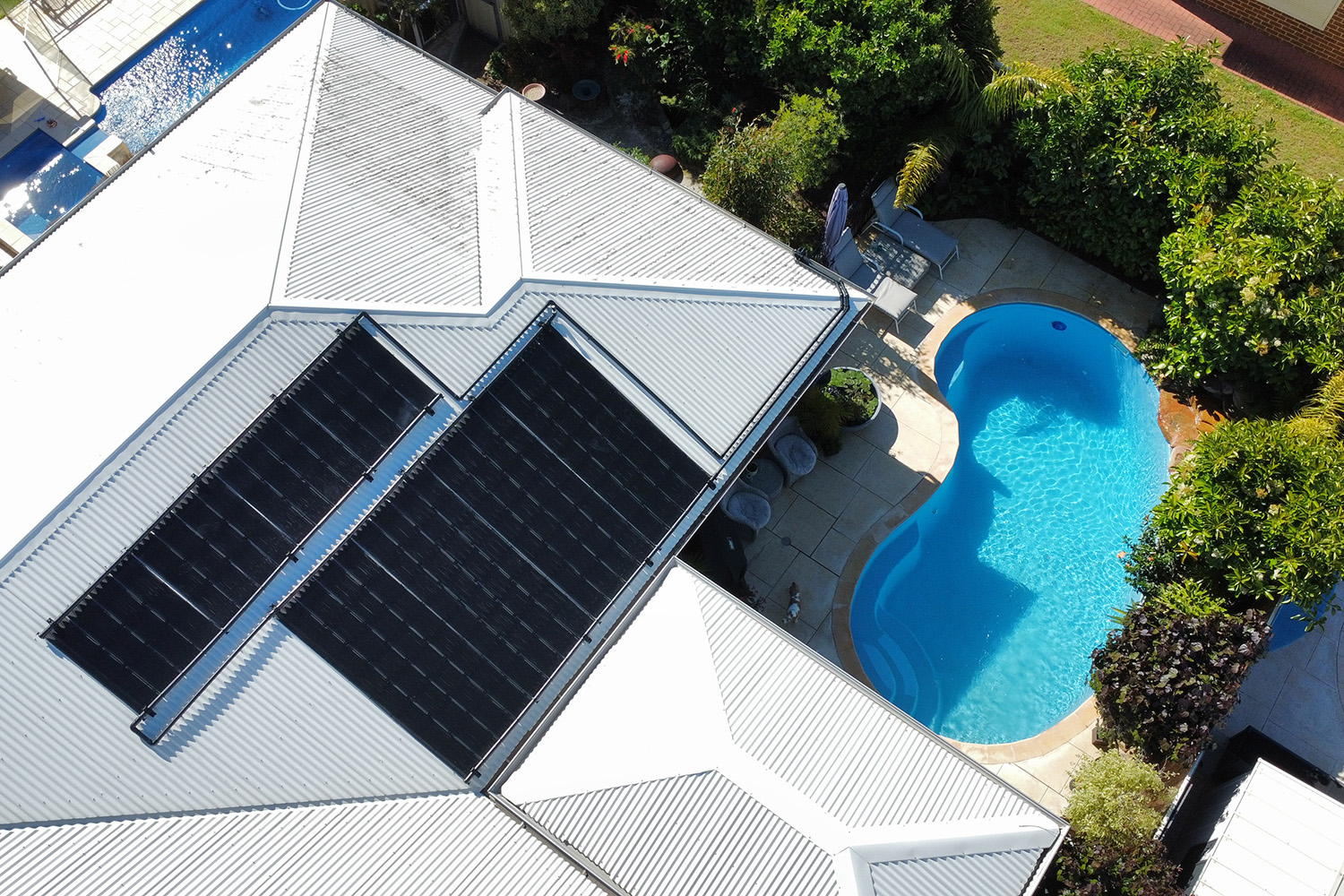
If you want your pool to stay warm through every season, the first thing to look at is the right heating system. Many homeowners in Perth end up exploring options like Pool & Spa Heaters Perth because they want steady warmth, good performance, and help choosing a system that fits both comfort and energy goals. Once you understand how Pool Heating actually works, the entire process of picking the right setup becomes a lot easier.
Why Pool Heating Matters More Than You Think
Here is the thing, a pool without heat is like a car without fuel. Technically it works, but you will not feel excited to use it often. Pool Heating gives you control over your water temperature, which means you can swim early in the morning, late at night, or in cooler months without feeling the cold sink into your bones.
A heated pool also keeps families active, improves relaxation, and adds value to a property. Many commercial pool managers see the same pattern, warm water encourages more visitors and longer sessions.
The Main Types of Pool Heating Systems
Different pools need different heating methods. Here is a breakdown that helps you see what fits your setup.
Gas Pool Heaters
Gas systems heat water quickly, which makes them perfect when you want fast warm ups. People who do not swim every day often prefer gas because it gives instant results without constant operation.
Key points:
- Heats water fast, even in colder weather
- Great for spas and weekend swimming
- Works regardless of sunlight
Electric Heat Pumps
Heat pumps work by pulling heat from the air and transferring it to your pool. They do not burn fuel, so they stay energy efficient. If you want steady Pool Heating without high running costs, heat pumps usually come out as the smart middle ground.
Key points:
- Very energy friendly
- Ideal for regular swimmers
- Works best in mild to warm climates
Solar Pool Heating
Solar panels use sunlight to warm the water. The idea is simple and sustainable. Although the upfront cost can be higher, the running cost is close to zero since sunlight is free.
Key points:
- Eco friendly and cost efficient
- Works best for households with large roof space
- Depends on weather and sunlight
How to Choose the Right Pool Heating System
Choosing the right system is not about picking the trendiest option. It is about matching your lifestyle and pool requirements. Here are the factors that shape the decision.
Pool Size and Usage
A small residential pool does not need the same power as a commercial one. Also, a pool used daily needs consistent heating, while a pool used occasionally might rely on fast heat up systems.
Budget and Running Costs
Some systems cost more upfront but save money later. Others are cheaper to install but cost more to run. You need to weigh installation cost, energy use, and long term maintenance.
Climate Conditions
Perth gets plenty of warm weather, which is great for solar and heat pumps. But if you want accuracy and consistent warmth during colder weeks, gas might still win.
Installation and Maintenance
Reliable Pool Heating depends on proper installation and ongoing service. You want a team that knows how to size the system, place components correctly, and maintain efficiency year after year.
Signs Your Pool Heating System Needs Attention
Even the best systems need upkeep. Here is what gives away a struggling or aging heater.
- Water takes longer to heat
- Temperature does not stay consistent
- Strange sounds from the heater
- Rising energy bills
- Error codes or reduced output
Getting issues fixed quickly keeps your pool usable and prevents major repairs later.
Why Professional Service Makes a Noticeable Difference
A good technician does not just install a heater. They evaluate airflow, plumbing, insulation, energy load, and even how you use the pool. Pool Heating only works at its best when these small details line up. Proper service also extends the life of gas heaters, heat pumps, and solar panels. Commercial spaces benefit even more because downtime affects customers.
Professionals also help optimize your system so you get the best temperature without wasting energy. Their routine checks catch little inefficiencies that homeowners usually miss.
Helpful Tips for Keeping Heat Inside the Pool
Most people focus on the heater itself, but what this really means is that you also need to reduce heat loss.
Try these simple habits:
- Use a pool cover to lock in warmth
- Keep the heater clean and serviced
- Check water circulation for even heating
- Use timers to control heating hours
- Reduce wind exposure around the pool
Small changes lower energy use and keep your water warmer for longer periods.
The Real Comfort Comes From Consistency
Pool Heating is not just about warm water, it is about creating a place where people actually want to swim. Whether it is kids learning to float, adults relaxing after work, or guests enjoying a late evening dip, warmth changes the experience entirely.
Once you lock in the right heating setup, the pool feels like an everyday retreat, not just a backyard feature waiting for summer.
Please Write Your Comments