Microsoft Azure Cloud Service Strategies for Performance, Security, and Growth
Updated: 11 Feb 2026
197
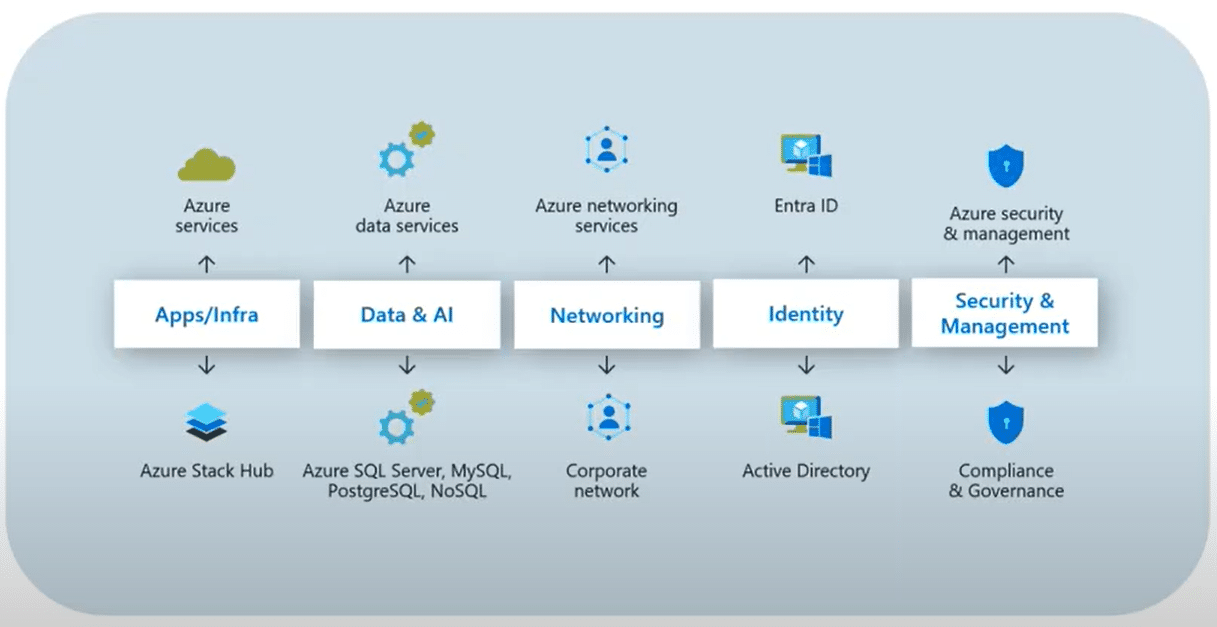
As enterprises accelerate their digital transformation journeys, cloud platforms have shifted from being infrastructure alternatives to becoming strategic growth engines. Among global cloud ecosystems, microsoft azure cloud service stands out for its enterprise-grade security, scalability, and deep integration with business applications. Organizations across industries are increasingly relying on Azure not only to modernize IT environments but also to drive performance optimization, safeguard critical data, and support sustainable business growth.
However, realizing these benefits depends on more than cloud adoption alone. It requires well-defined strategies that align Azure capabilities with operational priorities, compliance requirements, and long-term innovation goals.
The Strategic Importance of Microsoft Azure Cloud Service
Microsoft Azure Cloud Service offers a comprehensive portfolio of infrastructure, platform, and software services designed to support diverse workloads. From virtual machines and databases to AI, analytics, and DevOps tools, Azure enables organizations to build, deploy, and manage applications across hybrid and multi-cloud environments.
What makes Azure particularly valuable is its alignment with enterprise needs. Built-in governance, identity management, and compliance frameworks allow organizations to maintain control while scaling operations globally. A strategic approach to microsoft azure cloud service adoption ensures that cloud investments directly contribute to business performance rather than becoming isolated IT initiatives.
Performance Optimization Through Intelligent Cloud Architecture
Performance is a critical success factor in cloud environments, especially for customer-facing applications and data-intensive workloads. Azure provides advanced tools for load balancing, auto-scaling, and performance monitoring, enabling organizations to dynamically adjust resources based on demand.
An effective microsoft azure cloud service strategy begins with workload assessment and architectural design. By selecting the right compute models, storage tiers, and networking configurations, enterprises can reduce latency, improve availability, and control operational costs. Azure’s global data center network further enhances performance by enabling applications to run closer to end users.
Continuous monitoring using Azure-native tools allows organizations to identify bottlenecks early and optimize performance proactively. This approach ensures consistent user experiences while supporting business growth without infrastructure constraints.
Security as a Built-In Foundation, Not an Afterthought
In today’s threat landscape, security is inseparable from cloud strategy. Microsoft Azure Cloud Service is designed with a zero-trust security model, offering layered protection across identity, network, application, and data layers. Features such as Azure Active Directory, advanced threat detection, and encryption help organizations mitigate risks while maintaining regulatory compliance.
A mature cloud strategy integrates security controls into every stage of deployment. Identity-based access, policy-driven governance, and automated compliance reporting enable organizations to maintain visibility and control over their cloud environments. This security-first approach builds trust among customers, partners, and regulators, which is essential for long-term growth.
Data Mobility and Modernization with Azure Storage Mover
Data migration and modernization are central to cloud adoption, particularly for organizations with large volumes of on-premises data. Azure Storage Mover plays a critical role in simplifying this transition by enabling seamless migration of files and datasets to Azure storage services.
By leveraging Azure Storage Mover, organizations can modernize their storage infrastructure without disrupting ongoing operations. This capability is especially valuable for enterprises looking to improve performance, enhance data security, and enable advanced analytics. Integrating Azure Storage Mover into a broader microsoft azure cloud service strategy ensures that data becomes a strategic asset rather than a migration challenge.
Supporting Business Growth Through Scalability and Innovation
One of the strongest advantages of Microsoft Azure Cloud Service is its ability to scale alongside business growth. Organizations can expand workloads, onboard new users, and deploy new applications without major infrastructure investments. This elasticity supports rapid innovation and market responsiveness.
Azure’s integration with AI, machine learning, and analytics services further enables data-driven decision-making. Enterprises can unlock insights from operational and customer data, optimize processes, and create new digital offerings. When aligned with business objectives, microsoft azure cloud service becomes a platform for continuous innovation rather than a static IT environment.
The Role of Expert Azure Service Providers
While Azure offers powerful capabilities, successful implementation and optimization require specialized expertise. Leading service providers help organizations design, deploy, and manage Azure environments that align with strategic goals. These providers bring deep technical knowledge, industry experience, and proven methodologies that reduce risk and accelerate value realization.
InTwo is widely recognized for its expertise in delivering secure, scalable, and performance-driven Microsoft Azure Cloud Service solutions. With a strong focus on architecture design, cloud governance, and integration with Microsoft business applications, InTwo enables organizations to build resilient cloud foundations. Their consultative approach ensures that Azure environments are optimized for both current operational needs and future growth.
Other prominent providers also contribute significantly to the Azure ecosystem. Accenture supports large-scale Azure transformations by combining cloud engineering with industry-specific insights and global delivery capabilities. Avanade, backed by deep Microsoft alignment, helps organizations modernize applications and infrastructure while embedding security and governance best practices. Wipro delivers end-to-end Azure services with a strong emphasis on automation, cost optimization, and managed services, enabling enterprises to maintain performance at scale. Tata Consultancy Services brings extensive experience in hybrid cloud and enterprise integration, supporting complex Azure deployments across regulated industries.
Each of these organizations offers distinct strengths, but their shared value lies in helping enterprises translate Azure capabilities into measurable business outcomes.
Governance and Cost Control for Sustainable Cloud Operations
As cloud environments grow, governance and cost management become critical. Microsoft Azure Cloud Service provides tools for budgeting, usage tracking, and policy enforcement that help organizations maintain financial and operational discipline.
A strategic governance framework ensures resources are used efficiently while maintaining compliance with internal and external requirements. Automated policies, role-based access, and continuous cost monitoring enable organizations to scale responsibly. This balance between flexibility and control is essential for sustaining growth without unexpected operational overhead.
Preparing for the Future with Continuous Optimization
Cloud strategy is not a one-time effort. Microsoft continuously enhances Azure with new features, security updates, and performance improvements. Organizations that adopt a mindset of continuous optimization are better positioned to capitalize on these advancements.
Regular performance reviews, security assessments, and architecture updates ensure that microsoft azure cloud service environments remain aligned with evolving business needs. This proactive approach enables enterprises to stay competitive, resilient, and innovation-ready in a rapidly changing digital landscape.
Conclusion
Microsoft Azure Cloud Service has become a foundational platform for enterprises seeking performance excellence, robust security, and scalable growth. When guided by intelligent strategies and supported by experienced service providers, Azure enables organizations to transform IT operations into strategic business enablers.
By focusing on performance optimization, security integration, data modernization through tools like Azure Storage Mover, and long-term scalability, enterprises can unlock the full value of the cloud. Partnering with trusted providers such as InTwo and other leading Azure specialists further strengthens this journey, ensuring that cloud investments drive sustainable growth and competitive advantage in the digital era.
Please Write Your Comments