Jujutsu Kaisen Manga: Smart Guide for New & Returning Readers
Updated: 16 Nov 2025
340
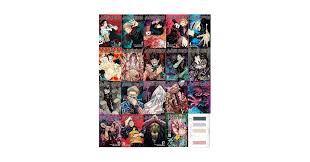
If you’ve heard friends raving about domain expansions, Black Flash, or “that” Shibuya moment, you’ve already felt the pull of Jujutsu Kaisen. The JJK manga blends crisp fight choreography with moral gray zones, folklore-driven horror, and a cast that keeps evolving under pressure.
This guide is a practical, spoiler-light companion for readers who want to start strong—or re-enter with more context—covering reading order, key arcs, recurring themes, and tips to make your JJK manga read more rewarding. Along the way, you’ll find advice on how to jjk read manga online legally, what to pay attention to in each arc, and how to pace your sessions so you don’t miss the details that make the series special.
Why JJK Works: The Core Ingredients
1) Stakes That Escalate—But Stay Personal
Many battle shōnen raise global stakes; JJK does this while keeping individual stories front and center. The narrative constantly asks what people are worth saving, what it costs to save them, and who gets to decide. That keeps even large-scale battles grounded in personal consequences. When readers say the jjk manga read “feels fast,” they usually mean the emotional stakes—loyalties, regrets, conflicting vows—tighten as quickly as the power scaling.
2) Powers with Rules (and Loopholes)
Cursed techniques obey rules—names, conditions, tradeoffs—and those rules create strategy. Watching characters weaponize constraints is half the fun. If you’re new, pay attention to the exact wording of a technique’s condition; that wording often sets up later payoffs.
3) Folklore as Engine, Not Window Dressing
From cursed wombs to vengeful spirits, JJK strips the glamor from supernatural horror and frames it as a public-health problem: negative human emotions literally spawn threats. That idea lets the manga explore systemic themes without preaching.
How to Start (or Restart) the JJK Manga the Smart Way
Set a Two-Arc On-Ramp
If you’re brand new, commit to the Intro + First Major City Arc (you’ll recognize it when you get there). The early chapters establish tone and rules; the first big city storyline tests those rules and curls back on earlier hints. Think of this as your minimum trial run before you decide if JJK is for you.
Read with a “Glossary Habit”
You don’t need a literal glossary, but jotting down:
- Technique names and stated conditions
- Any “binding vows” or self-imposed restrictions
- Clues about how domains work
…will pay dividends when fights hinge on tiny logical twists. This is where jjk read manga online shines: quick panel zooms and search make it easier to double-check rules on the fly.
Where to Read Legally
To support the creators and get the best translations, consider the official Shonen Jump digital catalog for serialized chapters and volumes. You can start or catch up via the official Shonen Jump app. This isn’t an ad—just the most reliable way to read JJK with high-quality lettering and clean paneling.
A Spoiler-Light Tour of Arcs and What to Notice
Note: Arc names are kept broad, and plot turns are unspoiled. The goal is to help you read deeper, not to recap.
1) Orientation & First Missions
What to watch: The ethics talk starts early. You’ll see the series plant seeds about what “saving people” costs and how sorcerers rationalize that cost. Pay attention to how each character defines “strength.” The manga revisits those definitions again and again.
Pro tip: Re-read the first mission right after the initial city arc. Your sense of what “normal” is in this world will shift quickly.
2) Festival-Scale Chaos
What to watch: This is where rule-lawyering blooms. Look for explicit triggers and timing conditions; characters will feint around them. The art uses negative space to mark danger zones—panels that breathe right before something snaps.
Pro tip: Keep a quick list of domain traits you see. Later, you’ll spot how distinct philosophies shape different domains.
3) Big-City Compression
What to watch: The manga compresses time and space to mimic disaster response. You’ll get parallel fights, overlapping moral decisions, and a sense that no one is in full control. If the jjk manga ever felt like sprinting, this is that sprint—but it’s scripted with clockwork intent.
Pro tip: Don’t binge too fast. Two to three chapters per sitting with short breaks keeps spatial awareness intact so you catch panel-to-panel cause and effect.
4) Reconstruction & Re-Alignment
What to watch: After any major shock, characters reframe their values. You’ll see quieter chapters with sharper dialogue. Power growth looks less like “new move unlocked” and more like “new constraint accepted.”
Pro tip: This is a great point to skim earlier chapters for mirrored lines. JJK loves to echo statements in changed contexts.
The Craft Behind the Panels: Why the Fights Read So Well
Camera Logic You Can Feel
Cinematography metaphors apply here. Angled panels emulate motion blur; long horizontal gutters simulate breath; sudden full-bleed pages function like jump cuts. If a clash confuses you, check the gutters—when they narrow, time speeds up; when they widen, the manga wants you to think.
Clean Lettering as a Design Choice
On official platforms, sound effects and technique labels pop with consistent hierarchy. That’s not cosmetic; it’s how you parse who’s acting, who’s reacting, and which rule is being invoked. It’s another reason jjk read manga online through legal channels is more than a moral stance—it’s practical readability.
Rule-of-Three Feints
Many standout fights follow a rhythm:
- Introduce a rule.
- Exploit it to win a micro-exchange.
- Break or invert it with a hidden cost.
Once you see this structure, fights become puzzles. You’re not just watching—you’re predicting.
Reading Pace, Power Systems, and Avoiding Burnout
A Real-World Reading Plan (Tested)
Here’s a pacing method I’ve used with new readers to avoid “battle fatigue” while staying immersed:
- Week 1: 1–2 chapters per day (focus on vocab: techniques, vows, domains).
- Week 2: 2–3 chapters per day (pause after any major reveal; write one sentence on “what changed”).
- Week 3+: Binge in bursts of 4–5 chapters, then take a 15-minute break to sketch the most important rule you just learned.
This sounds nerdy, but it keeps you from missing the series’ “aha!” payoffs. It also reduces reread time later.
Join the Conversation—Without Spoilers
Muted tags and carefully curated feeds are your friends. The jjk manga read experience benefits from social theories and fan charts, but try to finish each major arc before diving into breakdown threads. The best meta takes assume you’ve seen the twist.
For Returning Readers: How to Get Even More on a Reread
- Track Cost Accounting: List every time a character gives something up to power a technique. You’ll see a moral ledger emerging.
- Map Domains to Worldviews: On a reread, domain properties often mirror the user’s inner logic. It’s not just power—it’s philosophy crystallized.
- Listen for Echoes: Phrases reappear in altered contexts. When a line returns, ask, “What did it mean then vs. now?” That contrast is the character arc.
Legal, High-Quality Ways to Read JJK
If you prefer digital access, the official Shonen Jump service offers current chapters and volumes with consistent translation and typesetting. For broader international availability, Shueisha’s MANGA Plus provides select free chapters in many regions. Opting for these ensures creators are supported and you get a cleaner reading experience than mirrors or screenshots can offer.
Common Questions (Spoiler-Light)
Is the manga ahead of the anime?
Yes. The manga’s story progresses beyond anime seasons, so reading gives context and foreshadowing you won’t see on screen yet.
Do I need to read every side chapter?
You can follow the main plot without extras, but author comments and small bridges enrich the ruleset. If time is tight, prioritize in-arc extras tied to technique explanations.
What if big fights feel confusing?
Slow down. Re-trace the last three panels before the confusion and restate the technique rule out loud. Most “I’m lost” moments resolve when you align the rule with the panel that subverts it.
Conclusion
Jujutsu Kaisen rewards readers who pay attention to conditions, costs, and carefully chosen words. The emotional center never drifts far from the rubble: people trying to save others even when the rules say they can’t. Whether you’re just starting your jjk manga journey or planning a meticulous reread, approach the series like a strategy game powered by grief and grit. Read legally for the cleanest panels, give yourself time to think, and let the series argue with you about what strength should mean.
Please Write Your Comments