IT Helpdesk Services for Efficient Business Support and Issue Resolution
Updated: 25 Jul 2025
548
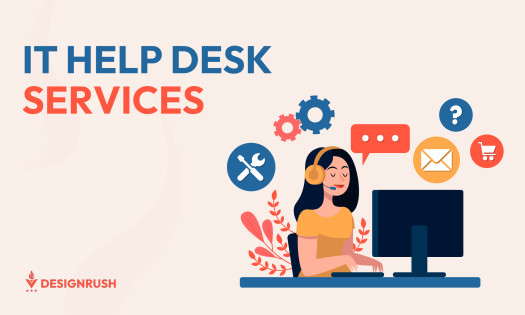
IT helpdesk services are essential for managing and resolving technology issues within organizations. They provide users with quick access to expert support, ensuring minimal downtime and maintaining productivity. An effective IT helpdesk not only troubleshoots problems but also streamlines communication and enhances overall operational efficiency.
These services cover a range of tasks, from password resets to complex technical repairs. By offering timely assistance, IT helpdesks reduce disruption and help businesses keep their technology running smoothly.
Understanding how IT helpdesk services operate can help organizations make informed decisions about their IT support strategies. This knowledge is key to optimizing both user experience and system reliability.
Core IT Helpdesk Services
IT helpdesk services focus on timely problem resolution, system maintenance, and user support. These services ensure efficient technical assistance and minimize operational disruptions for businesses.
Remote Technical Support
Remote technical support allows helpdesk agents to diagnose and resolve issues without physical presence. Using remote access tools, they can troubleshoot software errors, configure systems, and provide guidance.
This service reduces response time and eliminates travel costs. Common tasks include password resets, software installations, and network connectivity fixes. It is essential for handling a broad range of problems quickly.
Onsite Troubleshooting
Onsite troubleshooting addresses issues requiring physical intervention. Technicians visit the location to repair hardware faults, replace components, or resolve complex network problems.
This service is critical when remote support cannot fix the issue, such as hardware malfunctions or infrastructure failures. It often involves detailed diagnostics and hands-on repairs.
Incident Management
Incident management involves tracking, prioritizing, and resolving IT problems systematically. Helpdesk teams classify incidents by severity, assign them to specialists, and monitor progress until resolution.
Effective incident management improves response times and ensures transparent communication. It also helps identify recurring issues, supporting long-term IT stability and performance.
Enhancing IT Helpdesk Operations
Improving IT helpdesk efficiency relies on structured workflows, clear performance metrics, and continuous skill development. These elements streamline processes, reduce downtime, and increase user satisfaction.
Ticketing Systems and Automation
Modern ticketing systems centralize issue tracking and streamline communication between users and IT staff. They assign priorities and categorize requests automatically based on pre-set rules.
Automation handles repetitive tasks such as ticket routing, status updates, and initial responses. This reduces manual errors and frees helpdesk agents to focus on complex issues.
Key features to look for include real-time notifications, integration with other IT tools, and self-service portals. These enhance response speed and empower users to resolve minor issues independently.
Performance Monitoring
Effective helpdesks implement measurable metrics to evaluate their operations. Common indicators include ticket resolution time, first-contact resolution rate, and customer satisfaction scores.
Monitoring tools provide dashboards with real-time data, allowing managers to identify bottlenecks and allocate resources efficiently. Regular reports help in setting improvement targets.
Continuous analysis supports proactive adjustments, ensuring the team maintains consistent service levels. Trend tracking also aids in anticipating workload spikes.
User Training and Support Optimization
Ongoing training ensures helpdesk staff stay updated on the latest technologies and company policies. This improves accuracy in troubleshooting and communication.
Offering users targeted educational resources reduces the volume of simple tickets. These resources may include FAQs, video tutorials, and knowledge base articles.
Optimizing support extends to collecting user feedback regularly. This information helps tailor services to meet evolving needs and improves overall satisfaction.
Please Write Your Comments