Gap Year Volunteer Programs for Environmental Causes
Updated: 31 Jul 2025
484
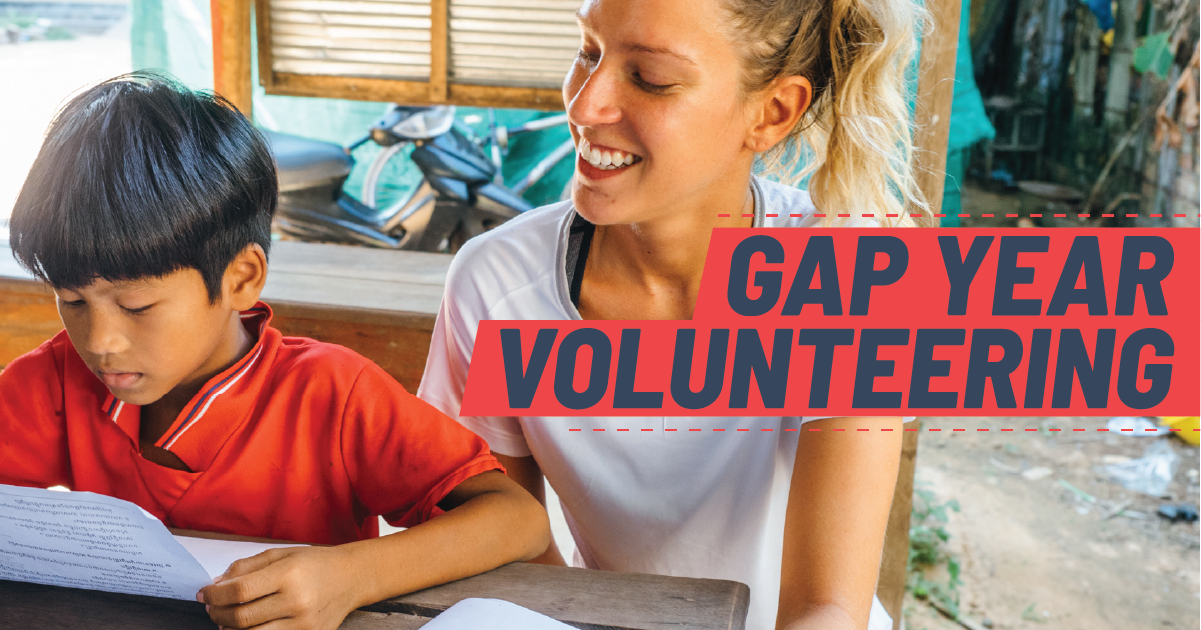
Gap year volunteer programs have evolved beyond traditional travel experiences, offering participants a way to engage with global issues through hands-on service. For Gap Year Volunteer Programs passionate about protecting the planet, programs focused on environmental causes provide a chance to contribute to sustainability efforts while gaining real-world experience. These opportunities not only help preserve ecosystems but also build awareness and commitment to long-term environmental stewardship.
Support Conservation and Wildlife Protection
One of the most common environmental focus areas in gap year programs is wildlife and habitat conservation. Students may volunteer in protected forests, marine reserves, or wildlife sanctuaries, working with local experts to monitor animal populations, prevent poaching, or restore natural habitats.
Programs in regions like South America, Africa, or Southeast Asia often allow volunteers to work closely with species at risk due to deforestation or illegal wildlife trade. By supporting research and education efforts, volunteers help strengthen the protection of vulnerable species and promote responsible interactions between humans and nature.
Participate in Climate Action Projects
Climate change is a growing concern worldwide, and many gap year programs now integrate climate-focused volunteer work. This may involve planting trees in deforested areas, supporting renewable energy education, or helping local communities adapt to shifting weather patterns.
Volunteers may also engage in eco-construction projects, such as building sustainable homes, creating irrigation systems, or implementing solar-powered solutions. These efforts help reduce environmental impact and offer low-income communities the tools to become more resilient in the face of climate change.
Clean Up Ecosystems and Promote Recycling
Environmental programs often include waste management and ecosystem restoration as key components. Volunteers may take part in beach cleanups, river restoration, or plastic waste sorting. These hands-on tasks, though simple, are crucial to preventing pollution from harming wildlife and contaminating water sources.
In some areas, volunteers work with schools and local groups to raise awareness about recycling, composting, and eco-friendly habits. Through education, volunteers help shift community behavior toward more sustainable practices that continue long after their departure.
Learn From Environmental Leaders Worldwide
One of the most valuable aspects of an environmental gap year program is the opportunity to learn from professionals in the field. Students work under the guidance of biologists, conservationists, farmers, and engineers who offer firsthand insight into complex ecological challenges and solutions.
This mentorship not only enhances a student’s knowledge of environmental science but also exposes them to potential career paths. Many participants return inspired to pursue further education or work in environmental advocacy, research, or green technology.
Connect With Nature on a Deeper Level
Spending extended time in natural settings helps volunteers form a personal connection with the environment. Whether trekking through jungles, living near coral reefs, or farming in remote rural areas, participants experience nature in its raw form. This connection often leads to a deeper sense of responsibility and a desire to live more sustainably in everyday life.
Make a Lasting Impact Through Environmental Work
Gap year volunteer programs centered on environmental causes offer a meaningful way for students to contribute to global conservation efforts. Beyond physical tasks, these programs cultivate knowledge, empathy, and commitment to the planet. For young people seeking purpose-driven travel, environmental volunteering provides both a personal and ecological legacy that extends well beyond the gap year experience.
Please Write Your Comments