Building Demolition Contractors: Expert Solutions for Safe and Efficient Tear-Downs
Updated: 5 May 2025
411
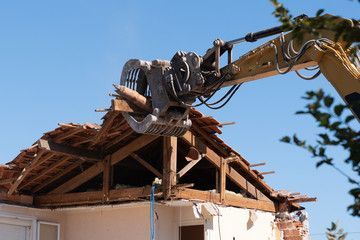
Building demolition contractors specialize in safely dismantling structures, preparing sites for new construction or redevelopment. They handle both residential and commercial projects, ensuring debris is managed and environmental regulations are met.
A qualified demolition contractor combines expertise, equipment, and experience to carry out demolitions efficiently and safely. Their work requires careful planning and adherence to local laws to minimize risks.
Choosing the right contractor affects project timelines, costs, and site safety. Understanding what they do helps property owners make informed decisions and avoid costly mistakes.
Understanding Building Demolition Contractors
Building demolition contractors manage the dismantling of structures safely and efficiently. Their expertise ranges from planning and executing demolition work to handling permits and ensuring environmental compliance.
Roles and Responsibilities
Demolition contractors are responsible for assessing the structure, developing a demolition plan, and selecting appropriate methods. They coordinate with engineers, environmental specialists, and local authorities to manage safety and regulatory requirements.
They operate heavy machinery and use techniques like implosion, wrecking ball, or selective demolition. Waste disposal and recycling of materials are also part of their duties, minimizing environmental impact.
Project management includes timeline scheduling and risk assessment to avoid hazards such as structural collapse or hazardous material exposure. Communication with clients and subcontractors is critical for meeting specifications.
Types of Demolition Services
Demolition services vary by project scale and objectives. Common types include:
- Structural demolition: Complete teardown of buildings.
- Selective demolition: Removing specific components, preserving others.
- Interior demolition: Stripping interiors without altering the exterior structure.
- Mechanical demolition: Using heavy machinery like excavators or bulldozers.
- Implosion: Using explosives for rapid building collapse.
Each method requires specific expertise, equipment, and safety measures based on the building’s material, location, and surrounding environment.
Licensing and Certification Requirements
Demolition contractors must obtain licenses from state or local authorities to operate legally. Requirements often include proof of insurance, safety training certifications, and environmental compliance permits.
Certifications, such as OSHA training, ensure contractors follow safety standards during operations. Some regions require specialized licenses for handling hazardous materials like asbestos or lead.
Verification of credentials protects clients and workers by confirming contractors’ knowledge of demolition regulations and best practices. It also helps contractors qualify for larger or government projects.
Choosing the Right Building Demolition Contractor
Selecting a demolition contractor requires careful attention to their background, safety measures, and environmental practices. It is essential to assess their technical skills, adherence to regulations, and commitment to minimizing ecological impact before hiring.
Evaluating Experience and Expertise
The contractor’s years of experience and completed projects provide a clear indication of their capability. Specialized knowledge in different types of demolition—such as structural, interior, or industrial—is critical for handling complex sites safely and efficiently.
Reviewing their portfolio and client references helps verify the quality of work and reliability. Contractors with certifications from industry organizations often demonstrate higher standards. Confirming the availability of the right machinery and skilled operators ensures the project will proceed without unnecessary delays.
Safety Protocols and Compliance
Demolition projects involve significant risks, so strict safety protocols are non-negotiable. The contractor must follow OSHA standards and local regulations to protect workers and the public. They should have a comprehensive safety plan addressing hazards such as falling debris, dust control, and structural instability.
Proof of insurance, including general liability and workers’ compensation, is vital. Regular safety training and on-site supervision reduce the chances of accidents. Documentation of past safety records and incident reports can indicate their commitment to maintaining a safe work environment.
Environmental Considerations
A responsible contractor prioritizes environmental protection during demolition. They should conduct hazardous material assessments for asbestos, lead paint, or contaminated soil before starting work. Proper removal and disposal methods prevent environmental contamination.
Recycling and salvage of materials like concrete, metals, and wood reduce landfill waste and support sustainability goals. The contractor should comply with EPA regulations and local ordinances related to waste management and pollution control. Transparency about their environmental policies reflects professionalism.
Please Write Your Comments