How to install outdoor lighting to enhance safety and curb appeal?
Updated: 12 Aug 2025
552
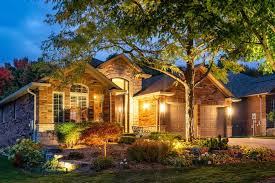
When you want to know how to install outdoor lighting to enhance safety and curb appeal, you look for easy wins that really make a difference. Good outdoor lighting does not just show off your house at night. It helps visitors see walkways and stairs, keeps trouble away, and makes your home look warm and inviting.Start by thinking about landscape lighting, motion sensor fixtures, and path lights. These give structure to your garden or driveway and help everyone find their way. You can also use wall lights or floodlights at entrance doors and dark corners for more safety.Choosing the right fixtures and smart placement makes your home welcoming and secure at the same time. With the right plan, installing outdoor lights means your home stands out in the neighborhood, feels safer, and stays practical all year round. If you are ready for a boost in both looks and safety, outdoor lighting gives you that edge.
Why outdoor lighting is essential for safety and curb appeal
Outdoor lighting serves as both a protective measure and a design feature, transforming the look and feel of your property after sunset. Properly planned illumination deters intruders and reduces accidents after dark, all while highlighting architectural details and landscaping. Organizations like the Illuminating Engineering Society discuss the science and standards behind effective lighting systems, emphasizing visibility, security, and beauty. Major brands in outdoor lighting such as Philips Hue, Ring, and Kichler have invested in advanced LED, solar, and smart tech solutions to help you balance safety with style.
- Increases home security: Well-lit exteriors discourage trespassers and increase your peace of mind.
- Reduces trips and falls: Lights on walkways, steps, and driveways prevent accidents.
- Boosts curb appeal: Accentuates landscaping, entryways, and architectural features for a warm, inviting look.
- Extends enjoyment: Creates comfortable outdoor living spaces long after dark.
We at Brams Installaties have seen how outdoor lights make homes across the Netherlands and Europe safer and more attractive with the right setup and product choices.
Popular types of outdoor lighting systems
When selecting outdoor lighting, you’ll notice a range of product types, each designed for specific purposes and spaces. Understanding these categories helps you craft a cohesive lighting plan that addresses both functionality and ambiance.
- Floodlights: Wide-angle beams provide intense light over large areas, ideal for driveways and garages.
- Path lights: Short fixtures guide the way safely along walkways, garden paths, and steps.
- Wall sconces: Mounted on exterior walls, these light up entrances and patios for both security and decoration.
- Spotlights: Focused beams highlight specific landscape features or architectural details like trees, statues, or pillars.
- Deck and step lights: Low-profile lights prevent missteps while outlining stairs and decking edges.
Many installations now make use of solar LED technology found in brands like Ring and Philips, or stay connected with smart controls compatible with Google Home or Amazon Alexa.
Step-by-step process for installing outdoor lighting
Installing outdoor lighting systems requires thoughtful planning and attention to detail, from mapping out the electrical layout to final fixture adjustments. Safety standards and electrical codes recommended by organizations like the National Electrical Contractors Association advise always turning off power before working on wiring and using weatherproof components.
- Map your lighting design: Walk your property at dusk to identify dark zones and focal points to highlight.
- Select fixtures and bulbs: Choose fixtures suited for wet or damp locations and use LED bulbs for efficiency and longevity.
- Run wiring safely: Bury low-voltage cables at least 15 centimeters deep, using conduit for extra protection around driveways or heavy traffic zones.
- Mount your fixtures: Follow manufacturer instructions, securing each fixture with weather-resistant hardware.
- Connect to a transformer: For low-voltage lighting systems, attach wiring to the transformer, then plug it into a ground-fault-protected outdoor outlet.
- Aim and adjust: Fine-tune the direction and spread of light to maximize both coverage and effect, reducing glare into windows or the street.
Smart fixtures can be linked through Bluetooth, WiFi, or Zigbee, utilizing apps like Philips Hue or Lutron for customized schedules and remote control.
Key scientific concepts for effective outdoor illumination
Effective outdoor lighting draws on several concepts from physics and optics. Learning from organizations like the Lighting Research Center, consider these key technical details:
- Color temperature: Warm white light (2700K-3000K) is soothing and residential, while cool white (4000K and above) mimics daylight and intensifies visibility.
- Lumen output: A higher lumen count means brighter light. Select brightness to suit the task, such as 200 to 400 lumens for path lights, or 700 to 1300 for floodlights.
- Photocell sensors: These components automatically turn lights on at dusk and off at dawn, optimizing energy use.
- Beam angle: Controls light spread. A narrow beam (15-30 degrees) highlights features, while wide beams (60-120 degrees) wash broad areas with light.
LED bulbs dominate the market due to low energy consumption, long lifespans, and consistent color reproduction, making them ideal for sustainability and weather resistance.
Landscape lighting design strategies
It’s easy to overlook the artistic potential of lighting when prioritizing safety. Yet the best systems blend function and design for a seamless, sophisticated look. The American Society of Landscape Architects recommends avoiding over-lighting and layering different fixture styles for depth.
- Accent lighting: Draw attention to trees, architectural elements, or water features with subtle spotlights.
- Grazing and washing: Use wall lights close to stone or wood facades, creating dramatic shadow and texture effects.
- Silhouetting: Place lights behind shrubs or sculptures for striking shapes at night.
- Downlighting: High-mounted fixtures mimic moonlight to brighten patios, dining zones, or lawns gently.
Experiment with fixture placement before final installation using temporary spike-mounted options for best results.
Smart controls and trouble-free maintenance
Modern advances make it simple to automate and maintain outdoor lighting with minimal effort. Home automation hubs (like Google Nest or Control4) and products such as Philips Hue Outdoor offer easy integration with your smart home ecosystem.
- Wireless controls: Set schedules, dim lights, or activate motion detection remotely using smartphone apps.
- Weatherproof design: Select products with IP65 or higher ratings to withstand rain and snow in outdoor locations.
- Regular checks: Clean lenses and trim vegetation every few months to keep luminaires shining bright and unobstructed.
- Energy management: Solar-powered fixtures and LED systems keep running costs and environmental impact low.
Should you want to discover more about tailored outdoor lighting solutions, bezoek onze pagina Installatie buitenverlichting for expertise of Brams Installaties.Tackle the transformation of your outdoor space confidently by requesting a Gratis offerte voor buitenverlichting aanleggen direct from our expert team at Brams Installaties. Let us make your evenings brighter, safer, and more stunning.
FAQ
1. How do you choose the right outdoor lighting for both safety and curb appeal?
First, assess key spots: entryways, paths, garages, and dark corners. Opt for a mix of motion-sensor lights for security and accent lights (like uplights for landscaping) for aesthetics. For example, pathway lights prevent trips while warmly guiding visitors to your door—danger-free and elegant. At Brams Installaties, we recommend LED fixtures: they’re energy-efficient and offer tons of style options.
2. What’s the best placement for outdoor lights to boost safety?
Strategically place fixtures around entry points, steps, walkways, and driveways. Motion-sensor security lights should watch over shadowy or hidden areas—think side gates or garages. A well-lit path from the street to your porch signals safety and hospitality. Our team at Brams Installaties often uses layered lighting for broad coverage and zero blind spots.
3. Can you install outdoor lighting without hiring an electrician?
If you’re working with plug-in or solar-powered lights, yes! These options are easy for most DIYers. However, for hardwired systems, it’s safer and more efficient to call a professional like Brams Installaties. Proper installation avoids electrical hazards and ensures long-lasting, optimal performance.
4. How does outdoor lighting impact curb appeal?
Well-designed lighting showcases landscaping features, architectural details, and your home’s unique charm. It instantly makes your property look polished and inviting. Pathway lights can turn a drab sidewalk into a welcoming entry, while spotlights can highlight majestic trees or stonework for that magazine-worthy finish!
5. What’s the easiest outdoor lighting upgrade for beginners?
Start with solar path lights or wireless LED spotlights. You simply insert them into the ground, adjust the direction, and you’re done—no wiring required. It’s a fast, cost-effective way to boost safety and add visual flair. And if you need a custom, sophisticated setup, Brams Installaties is just a free quote away.
Please Write Your Comments