Understanding Polygraph Tests: The Role and Legality of Lie Detector Tests in Michigan
Updated: 22 Oct 2025
221
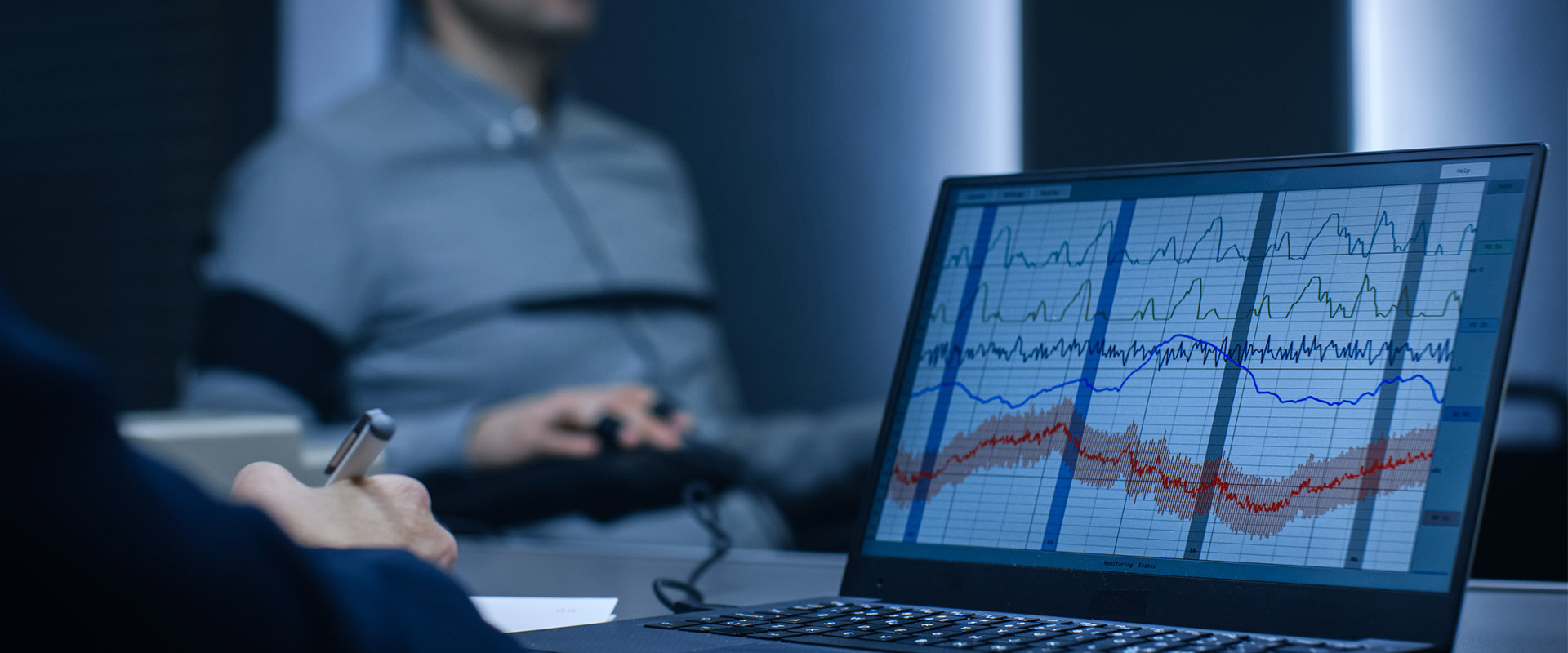
Polygraph tests, commonly known as lie detector tests, are investigative tools designed to measure physiological responses—such as blood pressure, pulse, respiration, and skin conductivity—while a person answers a series of questions. These tests are based on the premise that deceptive answers will produce physiological responses that differ from those associated with non-deceptive answers. Although often depicted dramatically in television shows and movies, polygraph tests are used in real-world applications across the United States, including Michigan, where their use is governed by specific laws and ethical considerations.
The Science Behind Polygraph Testing
At its core, a polygraph machine does not detect lies directly. Instead, it monitors physical indicators believed to be associated with stress and anxiety, which may be triggered when a person is being deceptive. A polygraph examiner begins by asking a series of baseline questions to understand the subject’s normal physiological responses. Then, relevant and control questions are asked, and the examiner analyzes the variations in the responses. For example, someone who shows a significant physiological change when responding to a relevant question may be flagged as potentially deceptive.
However, it is important to note that polygraph tests are not infallible. Their accuracy is widely debated among scientists, legal professionals, and psychologists. Studies have shown mixed results, with accuracy rates ranging anywhere from 70% to 90%, depending on the context and the examiner’s skill. Factors such as nervousness, medical conditions, or even the subject’s belief in the test’s effectiveness can influence the results. Therefore, polygraph testing is generally considered more of an investigative tool rather than conclusive evidence.
Legal Status of Polygraph Tests in Michigan
In Michigan, the use of polygraph tests is regulated under both state and federal law. Notably, Michigan does not permit the results of a polygraph test to be used as evidence in most criminal court proceedings. This is in line with many other states that consider polygraph results to be scientifically unreliable and potentially prejudicial to a fair trial. However, polygraph tests are still frequently used by law enforcement during investigations, and some employers may use them under specific conditions.
Federal regulations, particularly the Employee Polygraph Protection Act (EPPA) of 1988, play a significant role in shaping how lie detector tests can be used in the workplace. The EPPA prohibits most private employers from using lie detector tests for pre-employment screening or during the course of employment. However, there are exceptions, including certain security firms, government agencies, and companies involved in the production or distribution of controlled substances. In Michigan, as in other states, employers who fall under these exceptions must follow strict guidelines to ensure the rights of employees and applicants are protected.
Who Uses Polygraph Tests in Michigan?
Polygraph testing is utilized by a variety of organizations in Michigan, ranging from law enforcement agencies to private investigators and security firms. Police departments often use polygraphs as part of the hiring process or during internal investigations, while attorneys may use them in criminal defense strategies to support or refute a client’s claim. Additionally, some family law attorneys may use polygraph testing in child custody or abuse cases, though this is less common and results are generally inadmissible in court.
Private individuals also sometimes seek polygraph tests for personal matters, such as resolving relationship issues or confirming suspicions of infidelity. While these tests can offer peace of mind or spark further dialogue, they should not be seen as definitive proof of truth or deception. It’s also important to ensure that any polygraph examination is conducted by a licensed, experienced professional, particularly in a sensitive or high-stakes situation.
Michigan
Livonia – 38221 Plymouth Rd, Ste 2, Mailbox 11, Livonia, MI 48150
Conclusion: Weighing the Value and Limits of Polygraph Tests
While polygraph tests can be useful tools in both professional and personal contexts, their results must be interpreted with caution. In Michigan, the legal system generally does not accept polygraph results as evidence in criminal trials due to concerns over reliability. However, their continued use by law enforcement and other professionals highlights the role they still play in investigations and decision-making. For individuals considering a polygraph test in Michigan, understanding the limitations, legal boundaries, and appropriate applications is crucial. Always seek qualified professionals and be aware that while a polygraph may provide insight, it should never replace sound judgment, legal counsel, or thorough investigation.
Please Write Your Comments