Trust at Scale: The Art and Science of Influencer Marketing Management
Updated: 24 Jan 2026
88
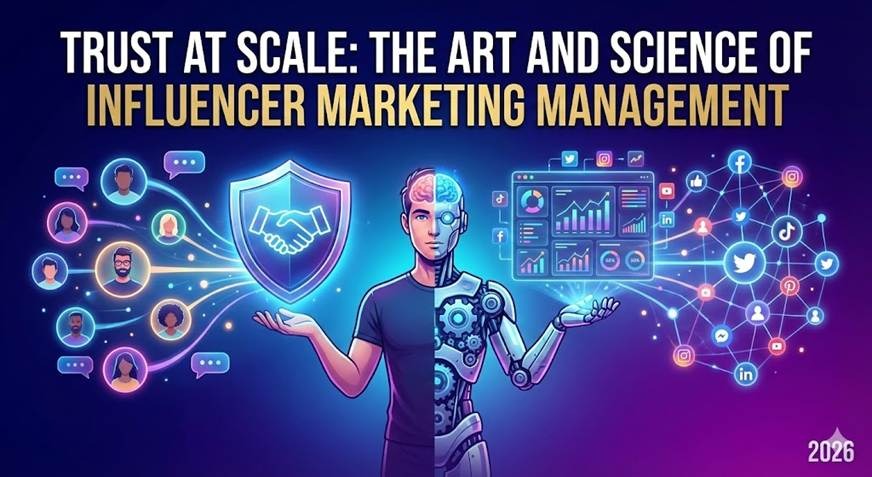
For a long time, influencer marketing was the Wild West of the digital world. Brands threw money at anyone with a million followers and hoped for the best. Success was measured in “likes” and “views.” But as we settle into 2026, the party is over. The era of the “Vanity Metric” is dead.
Today, Influencer Marketing Management is a disciplined, data-driven channel that rivals paid search and social ads for ROI. It is no longer about finding the loudest voice; it is about finding the right voice and managing that relationship like a high-value asset. Here is how modern brands are shifting their strategy to win.
1. The Shift to Long-Term Ambassadorships
The “one-and-done” sponsored post is fading away. In 2026, consumers are smart. They know when an influencer is just holding a product for a paycheck. Authenticity takes time to build.
Successful management now focuses on Always-On Partnerships. Instead of paying 50 influencers for a single post during a launch, smart brands hire 5 key ambassadors for a 12-month contract. This allows the creator to integrate the brand into their life organically. They show the product in use, they talk about it during Q&As, and they even share their genuine feedback. This repetition builds trust that a single ad never could.
2. Micro-Influencers & “The Power of the Niche”
Bigger isn’t always better. In fact, data consistently shows that Micro-Influencers (10k–100k followers) and Nano-Influencers (1k–10k followers) drive significantly higher engagement rates than celebrities.
Why? Because they are relatable. They are viewed as peers, not distant stars. A recommendation from a micro-influencer feels like a tip from a knowledgeable friend. For specialized industries—like B2B tech, sustainable fashion, or local food—these niche communities are gold mines. As highlighted in Sprout Social’s 2026 Strategy Guide, partnering with these smaller, hyper-relevant creators often yields a lower Cost Per Acquisition (CPA) and higher trust.
3. Performance-Based Compensation
The days of paying a flat fee purely for “exposure” are evolving. Management in 2026 is about accountability. Brands are increasingly moving toward Performance-Based Models.
This creates a win-win scenario. The influencer gets a base fee for content creation, plus a commission (via affiliate links or promo codes) for every sale they generate. This aligns incentives: the influencer wants the content to perform well because they earn more money. It forces both parties to focus on conversion, not just impressions.
4. Leveraging AI for Discovery and Management
Manually scrolling through Instagram to find influencers is obsolete. Modern managers use AI-driven tools to analyze audience demographics, detect fake followers, and predict campaign success before a contract is even signed.
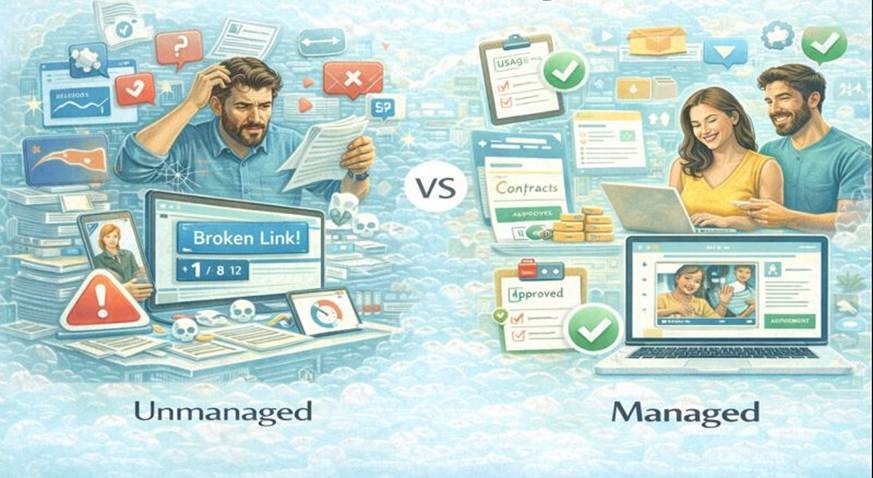
Automation also handles the boring stuff—contracts, payment tracking, and content approval workflows—so you can focus on the creative strategy.
Developing Your Strategy
Influencer marketing is complex. It involves legal contracts, creative direction, relationship management, and deep analytics. If you are just looking at follower counts, you are missing 90% of the picture.
To dive deeper into specific tools and strategies for managing these relationships, or to see case studies of successful campaigns, you can visit https://meraseo.in/blogs/ for our latest guides.
Conclusion
Influencer marketing is powerful because it borrows trust. But trust is fragile. It must be managed with care, transparency, and a long-term vision. By shifting your focus from “buying posts” to “building partnerships,” you turn your influencers into your most valuable sales team.
Ready to build a campaign that actually converts? Deep dive into our expert tactics here and start your journey.
Please Write Your Comments