The Growing Importance of Sunlight Readable Display Technology
Updated: 3 Dec 2025
141
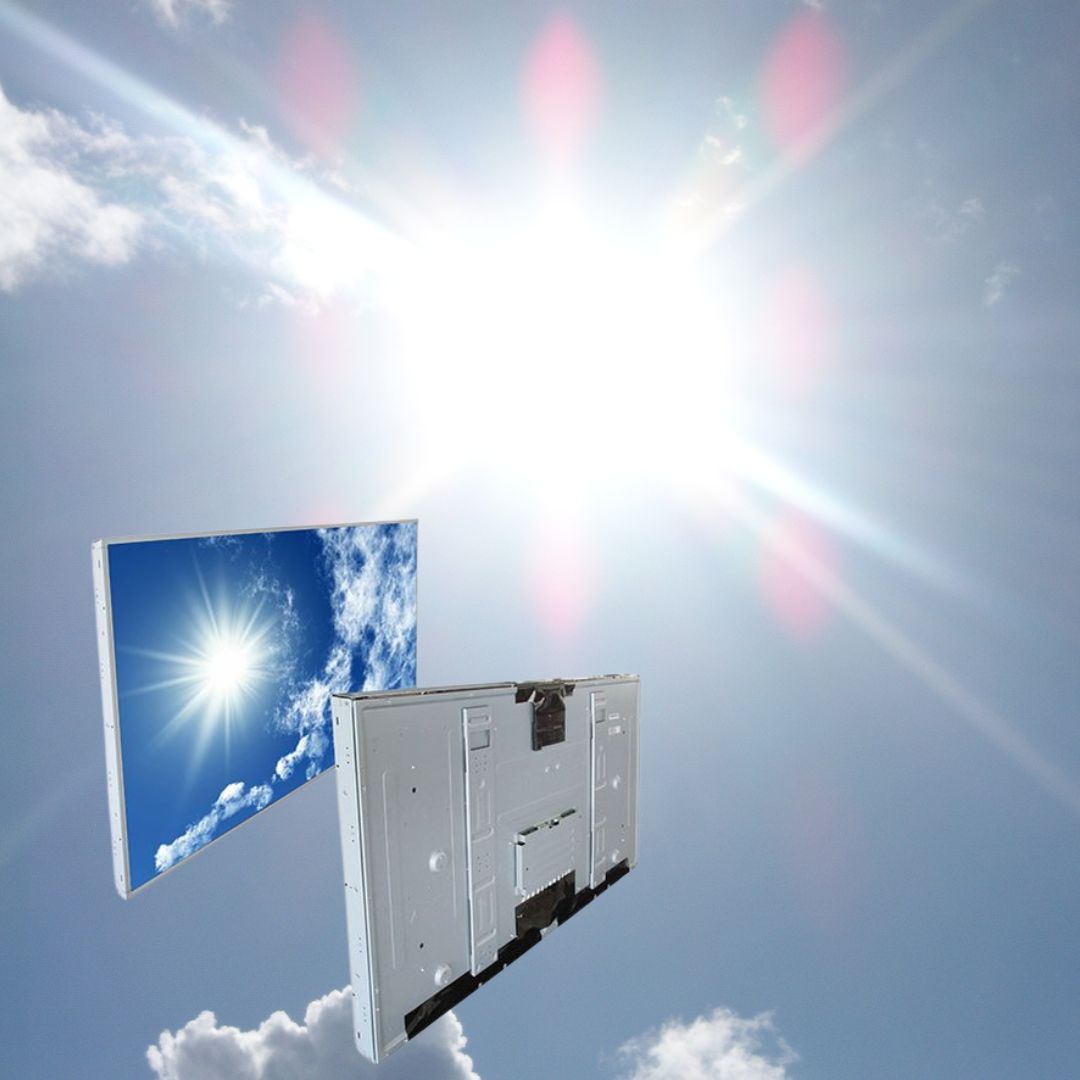
As technology continues to shape our daily lives, the demand for screens that perform reliably in every environment is stronger than ever. One innovation that has significantly improved outdoor usability is the sunlight readable display. These advanced displays are engineered to maintain clarity, vivid color, and high contrast—even when exposed to harsh sunlight.
Why Sunlight Readability Matters
Outdoor digital interaction is becoming increasingly common. From ATMs and drive-through kiosks to navigation systems and industrial field equipment, screens must remain readable under direct sunlight. Traditional displays struggle with glare, reflections, and washed-out visuals, making it difficult for users to see content clearly.
Sunlight readable displays solve this problem by combining specialized features such as:
- Extreme brightness backlights
- Optical bonding
- Anti-glare coatings
- Transflective LCD layers
These technologies work together to ensure that environmental lighting never compromises the user experience.
Core Features of Sunlight Readable Displays
High-Brightness Output
Sunlight readable screens can reach 1,200–2,500 nits, ensuring visibility even in mid-day sunlight.
Optical Bonding for Enhanced Performance
Bonding eliminates internal gaps, reduces reflection, and increases structural durability—ideal for rugged outdoor use.
Anti-Glare & Anti-Reflective Enhancements
These coatings help scatter light, preventing direct sunlight from overpowering the display.
Rugged Build Quality
Outdoor screens require strong resistances—UV rays, heat cycles, moisture, and vibration. Sunlight readable displays often meet stringent industrial standards.
Real-World Applications
- Outdoor ticketing machines
- Marine navigation panels
- Construction equipment displays
- Medical monitors used in bright facilities
- Digital menu boards
Conclusion
The rise of digital outdoor equipment has made sunlight readable display an essential technology. Their ability to perform flawlessly in high-brightness conditions ensures consistent usability, safety, and convenience. As industries continue to evolve, the importance of reliable outdoor display technology will only grow.
FAQs
1. Are sunlight readable displays waterproof?
Many models are designed with IP-rated protection, but it depends on the manufacturer.
2. Can sunlight readable screens work with gloves?
Yes, especially rugged touchscreen versions designed for industrial environments.
3. Do they consume more power?
High brightness requires more energy, though transflective models are more efficient.
4. What industries rely on these displays most?
Construction, transportation, military, marine, medical, and retail sectors.
5. How long do these displays last outdoors?
With proper design, they can operate reliably for 5–10+ years.
=================
Please Write Your Comments