The Evolution of Educational Technology in the Modern Classroom
Updated: 17 Oct 2025
231
Introduction
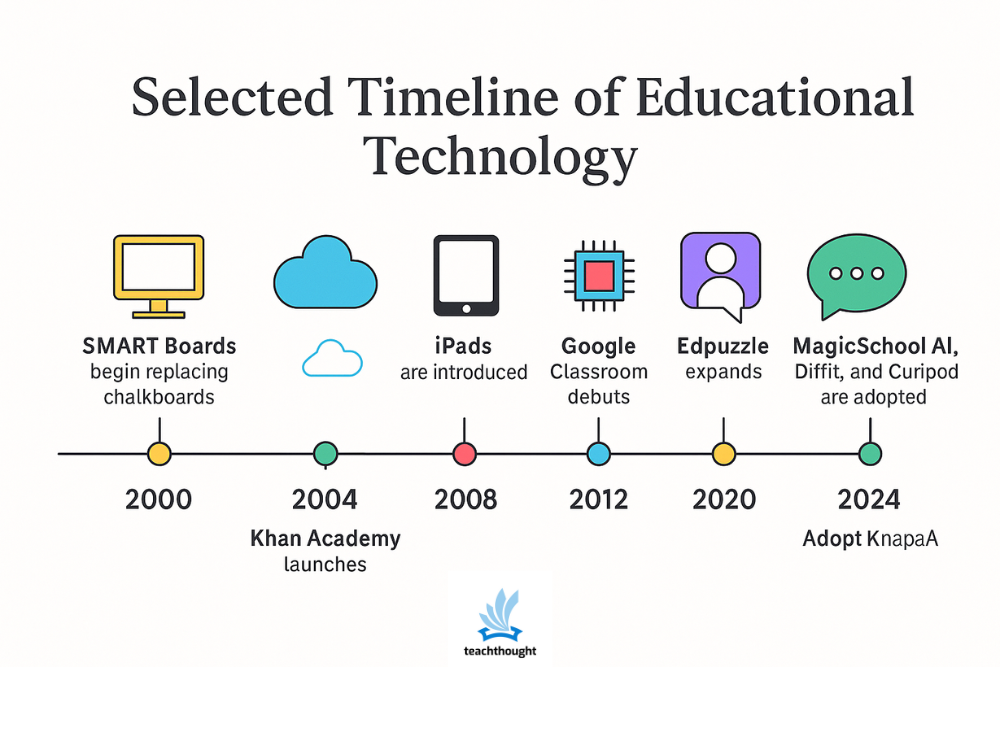
The landscape of education has undergone a remarkable transformation over the past decade. The integration of tech into classroom environments has revolutionized how students learn and how educators teach. From interactive whiteboards to artificial intelligence-powered learning platforms, technological advancements continue to reshape traditional educational paradigms. This evolution shows no signs of slowing down as we navigate an increasingly digital world where both educators and students must adapt to new tools and methodologies.
The Digital Transformation of Education
Educational institutions worldwide are embracing digital transformation to enhance learning experiences. Schools and universities are investing heavily in technology infrastructure, ensuring students have access to cutting-edge resources that prepare them for future careers. This shift reflects broader societal changes where digital literacy has become as fundamental as reading and writing.
Modern classrooms now feature a variety of technological tools designed to facilitate learning. Teachers are at the forefront of implementing these technologies, often serving as both instructors and technology facilitators. The role of educators has expanded beyond content delivery to include guiding students through digital learning environments and helping them develop critical technology skills.
Key Technologies Reshaping Education
Artificial Intelligence in Education
AI represents one of the most significant technological advancements in education. AI-powered platforms can provide personalized learning experiences by adapting content to individual student needs and learning styles. These systems analyze performance data to identify knowledge gaps and adjust instruction accordingly, allowing for truly customized education.
Intelligent tutoring systems can provide immediate feedback and support, complementing teacher instruction and extending learning beyond classroom hours. As AI technology continues to advance, its applications in education are becoming increasingly sophisticated and valuable for both students and educators.
Augmented and Virtual Reality
AR and VR technologies are transforming abstract concepts into immersive learning experiences. Students can explore historical sites, conduct virtual science experiments, or practice medical procedures in risk-free environments. These technologies make learning more engaging while helping students grasp complex ideas through visual and interactive means.
The market for AR and VR in education continues to grow rapidly, reflecting increased recognition of these technologies’ educational value. Schools are finding creative ways to incorporate these tools into various subjects, from history and science to art and mathematics.
Learning Management Systems
LMS platforms have become essential infrastructure for modern educational institutions. These comprehensive systems allow for course management, assignment distribution, student assessment, and communication between teachers and students. The global LMS market is expanding significantly as more schools recognize the benefits of centralized digital learning environments.
These platforms facilitate both in-person and remote learning, providing flexibility and accessibility. They also generate valuable data that helps educators track student progress and adjust teaching strategies accordingly.
The Impact on Teaching Methodologies
The proliferation of educational technology has necessitated changes in teaching methodologies. The traditional lecture model is increasingly supplemented or replaced by more interactive and collaborative approaches. Flipped classrooms, where students review content at home and engage in active learning during class time, have gained popularity thanks to digital learning resources.
Project-based learning has also been enhanced by technology, allowing students to collaborate digitally and access a wealth of information for research. Technology facilitates more authentic assessment methods, moving beyond standardized testing to evaluate critical thinking, creativity, and problem-solving skills.
Personalized Learning Experiences
Perhaps the most significant impact of educational technology is its ability to facilitate personalized learning. Advanced systems can adapt to individual learning styles, paces, and interests, moving away from the one-size-fits-all approach of traditional education. Students can progress through material at their own pace, receiving targeted support when needed and advancing when ready.
This personalization extends to content delivery methods as well. Some students learn better through visual presentations, others through hands-on activities, and still others through text-based materials. Technology allows educators to offer multiple pathways to understanding, catering to diverse learning preferences.
Challenges and Considerations
Despite its benefits, the integration of technology in education presents significant challenges. The digital divide remains a pressing concern, with disparities in access to devices and reliable internet connections. Schools must work to ensure equitable access to technological resources for all students.
Professional development for educators is another crucial consideration. Teachers need ongoing training and support to effectively implement new technologies and pedagogical approaches. Without proper preparation, even the most sophisticated educational technology may fail to achieve its potential.
Privacy and security concerns also require careful attention. As educational institutions collect more student data, they must implement robust measures to protect sensitive information and comply with relevant regulations.
Looking to the Future
As we look ahead, the evolution of educational technology shows no signs of slowing. Emerging technologies like blockchain for credential verification, more advanced AI tutoring systems, and increasingly sophisticated virtual learning environments will continue to expand possibilities for teaching and learning.
The most successful educational approaches will likely blend technological innovations with proven pedagogical principles. The goal is not to replace human teachers but to augment their capabilities and extend their reach. Technology should serve as a tool to enhance learning rather than as an end in itself.
Conclusion
The evolution of educational technology has fundamentally changed how we approach teaching and learning. From AI-powered adaptive learning platforms to immersive virtual reality experiences, these tools offer unprecedented opportunities to engage students and personalize education. As we continue to navigate this rapidly changing landscape, the focus must remain on leveraging technology to enhance educational outcomes while addressing challenges like the digital divide and privacy concerns.
The classroom of today barely resembles that of a generation ago, and the pace of change continues to accelerate. By embracing thoughtful technology integration while maintaining focus on pedagogical best practices, educational institutions can prepare students for success in an increasingly digital world.
Please Write Your Comments