How Candle Container Heat Distribution Affects Burn Safety?
Updated: 19 Dec 2025
101
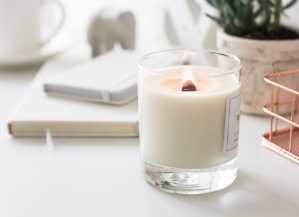
Most people like container candles because they’re helpful and straightforward, but how safe they are shouldn’t depend on the light alone. A lot of people forget how heat goes through the containers when they are using container candles. This is an important thing to remember. Knowing this can help keep people safe, protect surfaces from damage, and make sure that burning candles at home is safer. Understanding Candle Container Heat gives candle users good information about where to place the candle, how long it should burn, and how to protect the area below it. This will make things safer and allow for a more controlled burn.
What Does Heat Distribution Mean In Container Candles?
The candle’s heat makes the wax melt and spread to the walls of the container. If you don’t watch things carefully, heat can build up in one spot instead of spreading out all over. This can create stress points that could cause the surface to break, boil, or get damaged.
As they burn, safe candles spread the heat widely instead of just at the bottom or the sides of where they’re sitting.
Why Uneven Heat Can Be Dangerous?
An uneven spread of heat may be a big safety issue. If a candle’s heat mostly stays concentrated at the bottom, it could make the things around it and inside it hotter. Putting candles directly on wood, fabric, or other delicate materials that can be easily broken is unsafe for people and can also hurt furniture like tables and shelves that touch them.
Over time, changes in temperature could make glass or clay more fragile. Things might be exposed to hot wax or flame if the temperature changes quickly, which will make them more likely to crack. Candles should not be lit for a long time on surfaces that aren’t flat or steady or at angles that aren’t right, because this is more likely to happen then.
Container Material Plays A Key Role
How heat dissipates depends heavily on the material of its container. Thick glass and high-quality clay pots were made to deal with temperature changes more evenly and slowly over time. If thin or poorly made containers are used to heat or cool something, they might do so too fast or unevenly. This puts extra stress on the material they are made of and on their delicate fibers.
It is common knowledge that metal things heat up quickly and stay hot for a long time because metal is such a good conductor of heat. This is not a safety issue, but people should be more careful about where they put them because the surfaces need to be able to withstand heat.
Wax Level And Heat Movement
A candle that burns produces wax that sinks to its base, changing how light travels through its flame. As this occurs, heat has different pathways through it; when less wax remains at the bottom, more heat may build up near it, which increases the chances of overheating surfaces below.
At this stage, it’s critical that a container candle be extinguished before only small bits of wax remain; otherwise, continued burning could reduce protection while increasing heat where it is least protected.
Burn Time And Heat Control
How heat spreads around depends heavily on burn time. Candles that burn for a long time heat up their cases slowly, which could lead to too much heat being generated over time. Container candles should only be lit for three to four hours at a time for the best effects.
Let the candle cool down after each use before using it again. This helps control temperature and avoids too much heat build-up that could potentially harm either its container or nearby surfaces.
Proper Placement Improves Safety
Putting candles in the right spot can make things safer. To keep container candles safe, place them on a flat, sturdy surface where the heat can’t hurt them. Avoid putting them close to edges, tight spaces, or places where air can’t move freely, as this will increase the risk.
Better movement helps get rid of heat, but smaller or more closed-off areas may hold on to warmth more effectively, quickly raising the temperature inside.
Please Write Your Comments