Why Japanese Kitchen Knives Captivate Chefs Worldwide
Updated: 10 Sep 2025
456
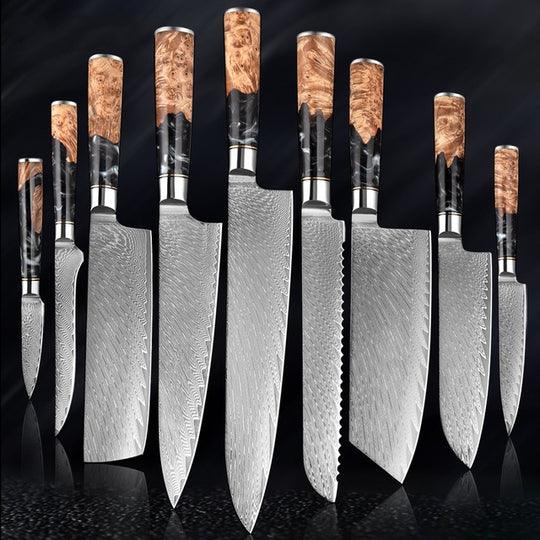
Japanese kitchen knives aren’t just tools; they’re culinary legends. Perfectly balanced and incredibly sharp, they’ve won the hearts of head chefs and weekend warriors alike. These incredible knives showcase centuries of Japanese metalwork and an unwavering commitment to quality. You’ll find them hanging in top Michelin kitchens and resting on the cutting boards of passionate home cooks, proving they’re the go-to choice for anyone who wants the best in the kitchen.
What makes them so special? Beyond unmatched sharpness, each knife carries the weight of history. Master bladesmiths pour years of knowledge into every inch, hammering steel into a stunning knife designed to slice with effortless grace. The mix of history, skill, and beauty explains the reverence—and price—that these blades command in kitchens across the world.
The Cultural Foundation of Japanese Blade Making
Japanese knife-making isn’t new; it evolved from creating beautiful, deadly samurai swords. For centuries, swordsmiths perfected temperature control and folding steel to make blades that cut and withstood punishment. When the samurai era ended in the mid-1800s, these artisans turned their focus to preparing meals instead of battle. They kept the same stubborn perfectionism, giving each kitchen knife the sharpness and quality that once defended an emperor. The result is culinary cutlery that blends reliability, artistic flair, and a story from the forge to your cutting board.
Japanese knife-making is much more than a trade; it is a living tradition that floods every step of production with cultural meaning. A master smith may spend a lifetime mastering the craft, shaping every blade as a mirror of personal achievement. The ethos of “shokunin,” or craftsman’s spirit, pushes these artists to chase minute improvements day after day. The result is a kitchen knife that handles more beautifully than anything stamped out by a factory, an extension of muscle memory rather than a mass object.
This heritage of devotion also shapes the way knives are regarded and cared for. In the Japanese kitchen, a chef’s bond with a knife is intimate. A professional might work with the same blade for decades, polishing, grinding, and honing it with a near-ceremonial focus. When retirement comes, the knife is not discarded; it is reverently handed to a protégé, a legacy sealed in patina and personality.
What Sets Japanese Knives Apart?
Outrageously Good Steel
The otherworldly cutting performance of these swords starts with the steel. Japanese makers choose alloys that surprisingly outmatch the typical knife steel found in European sets. Super steels such as White Steel (Shirogami) and Blue Steel (Aogami) are crafted to hit hardness scores between 60 and 66 HRC. In comparison, many Western chef knives hover between 52 and 58 HRC. This extra hardness locks in a screaming-edge that stays flat and fearsome long after an American knife would need another round of whetstone love.
The steel inside the knife really shapes how it performs. When the steel has a higher hardness, the edge can get very thin—often around 15-16 degrees on each side—versus the 20-22 degrees usually found in Western knives. That sharper angle lets the edge pass through food with almost no drag. Things like tomatoes and fresh herbs stay intact, keeping their cell walls undamaged.
Many Japanese knives still follow centuries-old forging traditions. One key step, called differential hardening, builds a harder edge and a softer spine. This helps the blade stay sharp yet flexible. Craftsmen heat, fold, and hammer the steel repeatedly. Each fold refines the steel’s grain, leading to a microstructure that gives the knife its legendary sharpness and strength.
Because blades are hand-forged, artisans can adjust every detail. They influence the steel’s molecules, the curve of the blade, and the angle of the edge. No factory can replicate that control, so knives made this way have a unique balance that feels alive in the grip. Veteran chefs still find the performance astonishing because a hand-forged blade introduces a level of cutting ability that factory knives can’t reach.
Key Features and Benefits
Unmatched Sharpness
A true chef’s knife earns its keep from its edge, and that’s where Japanese knives really stand out. Made from ultra-hard steel, these knives are ground so precisely that they form a bevel so thin, they can divide a carrot into paper-thin slices or slice sushi into perfect portions with no drag. That extra sharpness isn’t merely a time-saver—it guards your ingredients, too. By cutting with surgical precision, the knife tears through the cell walls instead of crushing them.
This means chefs enjoy better flavor and texture in every dish. Fresh herbs keep all their fragrant oils, so pestos and dressings taste bolder. When the edge meets an onion, the slice is so clean that fewer cells burst, cutting down the tear-inducing sulfur that onions typically release. Proteins, too, benefit: a clean cut preserves the fibers, resulting in a tender filet that looks as good as it tastes.
Superior Edge Retention
Japanese knife makers pack their steel with extra carbon, giving the blade a hardness that ordinary knives just can’t match. This hardness allows the edge to stay sharper far longer. Where a standard chef knife might need a weekday honing just to stay functional, a respected Japanese blade can go a couple of months feeling razor-sharp in the busy kitchen of a Michelin restaurant.
For chefs, that means one less chore in an already jam-packed routine. Yet the true savings materialize in the home kitchen knives: the larger sticker price behaves, in the long run, like a bargain. Buy one good Japanese knife, and you won’t be replacing a drawer full of wilting, forgotten standard knives year after year.
Perfect Balance and Control
Japanese knifemakers obsess over balance and handle design to give you precise control. The sweet spot usually sits just in front of the handle, so the knife moves with your hand, not against it. This tiny detail means you can slice all night without feeling like your wrist is going to give out, and the cut is dead-on every time.
Ergonomics don’t stop with balance. Whether you’re picking up a hand-carved cherry handle or a handle made of sleek micarta, the curves are made to hug your grip. Even the thinnest micarta or polymer options are sculpted so every finger feels at-home with the knife.
Aesthetic Excellence
Beauty is a job requirement for a Japanese chef’s knife, not a bonus. Swirling Damascus patterns are forged into the steel as a side effect of laminating layers of tough and soft metal, and the patterns change with each knife. A slice of magnolia for the handle is sanded to a milky glow, and that sleek blade profile is as graceful as it is hard. Whether the knife is resting in the block or working the cutting board, it’s the kitchen’s silent art piece.
Different Types of Japanese Knives and Their Uses
Santoku: The All-Purpose Champion
When you hear people rave about Japanese kitchen knives, the santoku is almost always on the cutting board. “Santoku” means “three virtues” for a reason: it handles meat, fish, and vegetables equally and beautifully. The wide, flat blade and a slight curve are made for the rocking chop Japanese cooks love, while a shorter length means you control every tiny movement. Whether you’re mincing herbs or slicing daikon, the santoku is a culinary all-star.
For cooks looking to invest in their first good knife set, a santoku often leads the way into the world of Japanese knives. This 7- to 8-inch workhorse handles nearly every kitchen chore while its lighter weight feels balanced to anyone used to a standard Western knife.
Specialized Japanese Designs
While the santoku pulls double duty, the broader Japanese lineup includes tools for almost every task. The gyuto is the Japanese version of the chef knife, but its slimmer edge and harder steel offer greater precision. If your task is simply chopping vegetables, the squat, rectangular nakiri is the clear winner, offering near-obsessive sharpness all the way to the tip. Make sushi or sashimi and the yanagiba dominates: a 10- to 12-inch blade perfected for paper-thin cuts of raw fish.
These knives aren’t just favorites of home cooks; they are a chef’s toolkit, each blade optimized to transform a single job, often developed over centuries of trial, error, and artistry.
Huusk Knives: Blending the Old and New
One newcomer worth investigating is the Huusk knife. Models in this Japanese-inspired range feature a modest hollow-ground design—tiny air pockets along the blade’s length that limit drag and keep meat, garlic, or herbs from clinging. This modern twist partners well with classic methods: Each knife is hand-honed to 10 to 12 degrees, a Japanese standard that marries precision and durability.
The hollow-ground design makes Huusk knives different from most Japanese cutlery. This newer style focuses on making chopping easier while keeping the fine feel and balance that Japanese artisans are known for. Lots of folks say the handle feels natural and the blade comes very sharp right out of the box, but the long-term performance and edge retention are the parts we still want to learn about, so keep an eye on reviews that go deeper than the first use.
Please Write Your Comments